History
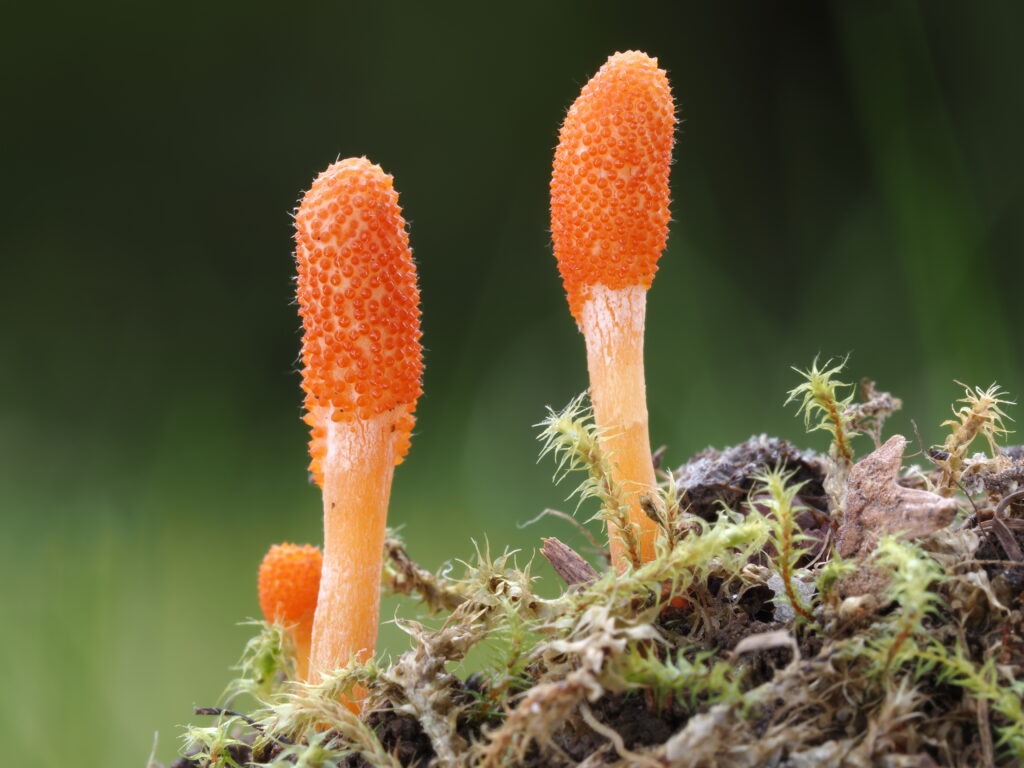
The evolution of cordyceps can be traced back to over 130 million years ago. At the time the planet Earth was rife with insect life which gave rise to new parasitic species of fungi. Fossils from the mid-Cretaceous period have shown early cordyceps specimens infecting several varieties of beetles, which are still prime hosts for cordyceps today. There are over 350 known cordyceps-related species to date, though not all of them infect insects. There are many species of cordyceps that are known to parasitize other fungi.
The use of cordyceps for medicinal purposes can be traced back over 1,500 years, beginning in what is now known as Nepal and Tibet. In Chinese medicine, it is used to treat poor kidney function, low libido, fatigue, and breathing issues. It has recently become popular in the Western world as an energy and focus supplement. It is also being researched as an inhibitor for tumour cells in cancer patients. The two most popular species of cordyceps as a suppplement are C. sinensis and C. militaris.